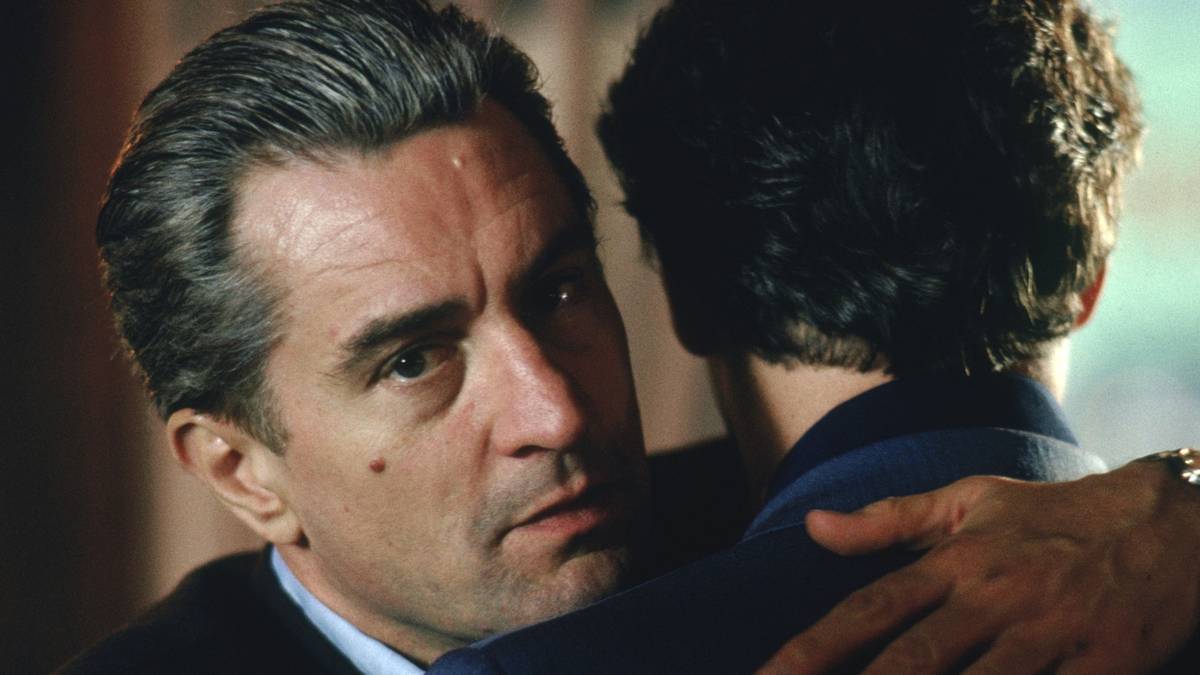
Robert De Niro in The Alto Knights: Unpacking the 1950s Mafia Conflict
For aficionados of gripping crime dramas and cinematic portrayals of organized crime, a new gangsterfilm Robert De Niro vehicle always sparks immense interest. *The Alto Knights*, directed by Oscar-winner Barry Levinson and penned by the acclaimed Nicholas Pileggi (known for his work on classics like *Goodfellas* and *Casino*), plunges viewers into the treacherous world of 1950s New York City mafia. This biographical crime drama boasts the legendary Robert De Niro in an extraordinary dual role, embodying two of the era's most formidable mob bosses: Vito Genovese and Frank Costello. While the film may have bypassed traditional cinema releases in some regions, including the Netherlands, it's now widely available for home streaming, inviting audiences to immerse themselves in a high-stakes power struggle from the comfort of their couches.
At its heart, *The Alto Knights* is a story of ambition, betrayal, and the brutal calculus of power within the American Mafia. Set against the backdrop of a rapidly changing underworld, the narrative zeroes in on a pivotal moment in 1957, when Vito Genovese makes a bold move to eliminate his erstwhile associate, Frank Costello. This audacious attempt ignites a dangerous and cunning war for control, where old loyalties crumble and the future of an entire criminal enterprise hangs in the balance. For those who appreciate the intricate dance of strategy and violence inherent in the genre, this film offers a deep dive into one of the most compelling periods of mob history.
Robert De Niro's Unprecedented Dual Role: Two Titans of the Underworld
One of the most striking aspects of *The Alto Knights* is Robert De Niro's decision to undertake a double lead role. At 81, De Niro continues to push boundaries, taking on the challenge of portraying both Vito Genovese and Frank Costello – two figures whose lives were inextricably linked yet ultimately destined for conflict. This casting choice is not merely a novelty; it serves as a powerful testament to De Niro's enduring talent and his profound connection to the gangster genre he helped define.
The Men Behind the Myth: Vito Genovese and Frank Costello
Vito Genovese and Frank Costello were real figures, titans within the infamous Luciano crime family. Costello, known as "The Prime Minister of the Underworld," was renowned for his intellect, diplomacy, and connections to legitimate power structures. He favored subtle influence over overt violence. Genovese, on the other hand, was a ruthless enforcer, a man of raw ambition who had spent years plotting his ascent to the top. The film explores their complex relationship, tracing their journey from childhood acquaintances to bitter rivals vying for ultimate authority. De Niro's portrayal aims to capture the distinct nuances of each character – Costello's weary cunning and Genovese's simmering ruthlessness – offering a masterclass in character study.
De Niro's Legacy in the Mafia Genre
For decades, Robert De Niro has been synonymous with the *gangsterfilm*. From *The Godfather Part II* to *Goodfellas* and *Casino*, his performances have shaped our understanding of the mobster archetype. In *The Alto Knights*, De Niro adds another layer to this legacy. Playing both the hunter and the hunted, the aspiring king and the reigning monarch, he revisits themes of power, loyalty, and betrayal that have long been central to his most iconic roles. This unique dual performance isn't just about a challenge for the actor; it's a profound exploration of the internal conflict and moral ambiguity that defines the genre, amplified by the singular presence of one actor embodying both sides.
Crafting the 1950s Mafia Epic: The Visionaries Behind *The Alto Knights*
Beyond De Niro's captivating performance, the creative team behind *The Alto Knights* brings a formidable pedigree to this 1950s saga. The collaboration of director Barry Levinson and screenwriter Nicholas Pileggi promised a return to the golden age of mob storytelling, steeped in authenticity and dramatic tension.
A Return to Classic Gangster Storytelling
Barry Levinson, celebrated for diverse films like *Rain Man* and *Good Morning, Vietnam*, brings his directorial prowess to the gritty streets of New York. His ability to craft compelling character-driven narratives is crucial for a film that hinges on the psychological warfare between its protagonists. Nicholas Pileggi, whose investigative journalism formed the basis for *Goodfellas* and *Casino*, is unparalleled in his capacity to translate the labyrinthine world of organized crime onto the screen with factual accuracy and dramatic flair. Their combined vision aims to deliver a film that respects the conventions of the classic gangsterfilm Robert De Niro fans adore, while offering a fresh perspective on a well-trodden era. The screenplay meticulously charts the power dynamics, the unspoken threats, and the carefully calculated moves that characterize mob politics.
The Iconic "Alto Knights" Setting
The film's title, *The Alto Knights*, refers to a notorious nightclub in Little Italy, serving as a symbolic "home base" for Genovese and his crew. This setting instantly conjures images of the quintessential 1950s mob milieu: dimly lit rooms, cigar smoke curling around hushed conversations, the clinking of glasses, and men in impeccably tailored suits plotting their next move. The film promises a deep dive into the atmosphere of New York in the 1950s, meticulously recreated through costume design, set decoration, and cinematic style. It's a world where respect is earned through fear, alliances are fragile, and every word, every glance, carries weight. Expect a stylish, immersive experience that transports you directly into the heart of this volatile period.
Navigating the Critical Landscape: Why *The Alto Knights* Divides Opinion
Despite its impressive cast and celebrated creative team, *The Alto Knights* received a mixed reception from critics, a common fate for many films in the saturated streaming era. This divergence in opinion offers valuable insight for potential viewers, helping to set expectations for this unique gangsterfilm experience.
Box Office Blues and Critical Crossroads
The film debuted in US cinemas in March but struggled at the box office, grossing only $9.6 million against an estimated budget of $45-50 million. This financial performance, coupled with bypassing theatrical releases in many international markets, might suggest initial underwhelm. Critics were indeed divided: Rotten Tomatoes registered a score of 39%, IMDb an average of 5.7, and Metacritic a "mixed or average" 47/100. Reviewers often pointed to pacing issues, or perhaps a feeling that the film, while competently made, didn't break new ground in a genre already rich with masterpieces. Some might have also found the conceit of De Niro playing both roles more distracting than compelling, or felt it simply couldn't escape the long shadows cast by *Goodfellas* or *The Godfather*.
The Audience Verdict: A Different Perspective
Interestingly, audience reception painted a slightly rosier picture. CinemaScore, which surveys actual moviegoers, awarded *The Alto Knights* a "B" grade, suggesting a generally positive experience for those who paid to see it. PostTrak data indicated that 44% of viewers would recommend the film. This often signifies that while critics, with their high expectations and analytical frameworks, might find flaws, the general public often appreciates a well-told story with strong performances. For fans of classic mafia narratives and De Niro's iconic presence, the film's ability to deliver a compelling character study and a slice of authentic 1950s mob life may outweigh any perceived shortcomings. It suggests that while it may not be an instant classic for everyone, it holds considerable appeal for its target audience.
Your Guide to Experiencing This Unique Gangsterfilm Robert De Niro
For those eager to witness Robert De Niro's audacious double performance and delve into a fascinating chapter of mafia history, *The Alto Knights* is readily available. Understanding its unique position in the genre and managing expectations based on its reception can enhance your viewing experience.
Streaming Details and Home Viewing Tips
As mentioned, *The Alto Knights* skipped many cinema releases but found a home on streaming platforms. In the US and other regions, it became available on HBO Max starting June 6th. For viewers in the Netherlands, it can be streamed via Pathé Thuis. When settling in for this crime drama, consider these tips for an optimal experience:
- Set the Mood: Dim the lights, silence your phone, and grab some popcorn. *The Alto Knights* is a film that benefits from an immersive environment, allowing you to fully appreciate the atmospheric recreation of 1950s New York.
- Historical Context: A brief refresh on the real-life Vito Genovese and Frank Costello can add depth to your understanding of the power dynamics at play.
- Focus on Performance: Pay close attention to De Niro's nuanced portrayal of both characters. Observing how he differentiates their mannerisms, speech patterns, and underlying motivations is a key part of the film's appeal.
Is *The Alto Knights* For You?
If you're a devout follower of the *gangsterfilm Robert De Niro* canon, particularly those penned by Nicholas Pileggi, then *The Alto Knights* is undoubtedly worth your time. It offers a chance to see a living legend tackle an ambitious role, exploring a pivotal period of organized crime history. While it may not reach the universally lauded heights of *The Godfather* or *Goodfellas*, it provides a solid, character-driven narrative. Think of it as a compelling historical dramatization with an exceptional lead performance, rather than an attempt to reinvent the genre. It's a must-watch for anyone who appreciates a detailed look into the inner workings of the mob and the complex psychology of its key players.
In conclusion, *The Alto Knights* presents a compelling entry into the illustrious genre of the *gangsterfilm Robert De Niro* has so powerfully shaped. With De Niro taking on the formidable task of portraying both Vito Genovese and Frank Costello, directed by Barry Levinson and written by Nicholas Pileggi, the film offers a deep dive into the cutthroat power struggles of the 1950s New York mafia. Despite its mixed critical reception, its strong audience scores and the sheer magnetism of De Niro's dual performance make it a noteworthy watch for crime drama enthusiasts. Prepare to be transported to an era of sharp suits, whispered threats, and deadly ambition, all from your own living room.